“O Allah, accept this offering from us.”

“O Allah, accept this offering from us.”
How does a quotation change when it is removed from its original context and placed within a new story?
In the case of this phrase, which has become deeply associated in collective memory with Lady Zaynab (peace be upon her), its transmission goes beyond the simple reuse of words.
Every phrase carries not only a meaning, but an entire background.
When a phrase has a previous experience attached to it, the audience does not encounter the words alone. They encounter everything they have come to associate with them: the moment, the image, the emotion, and the meaning.
In the world of today, using expressions such as “I saw nothing but beauty” can create a broader context for the present.
When the phrase is heard within the story of a martyr’s mother, for example, the listener may immediately recall everything they already know about patience, loss, and perseverance in Karbala.
This brings us to the idea of recall.
What is recalled is not merely the phrase, but the experience that the phrase has carried for generations. The two move together.
Yet this does not mean that the new story becomes another version of the Karbala story.
On the contrary, the narrator draws upon familiar language and symbols to describe a new experience.
And recall does not have to happen through words alone.
It can emerge through an image, a scene, a character’s name, or even through the way a story is structured.
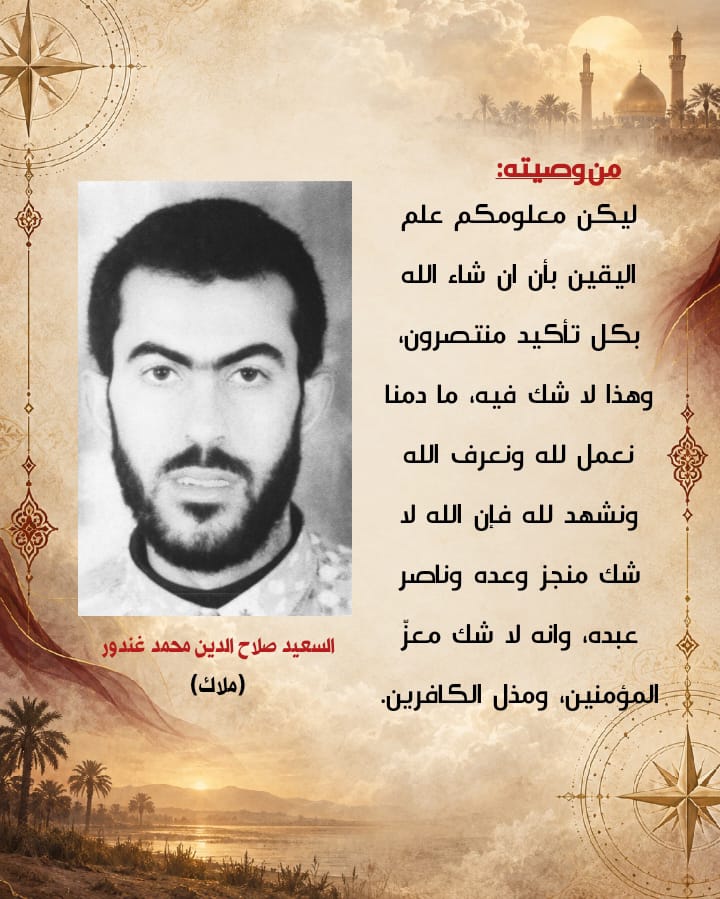
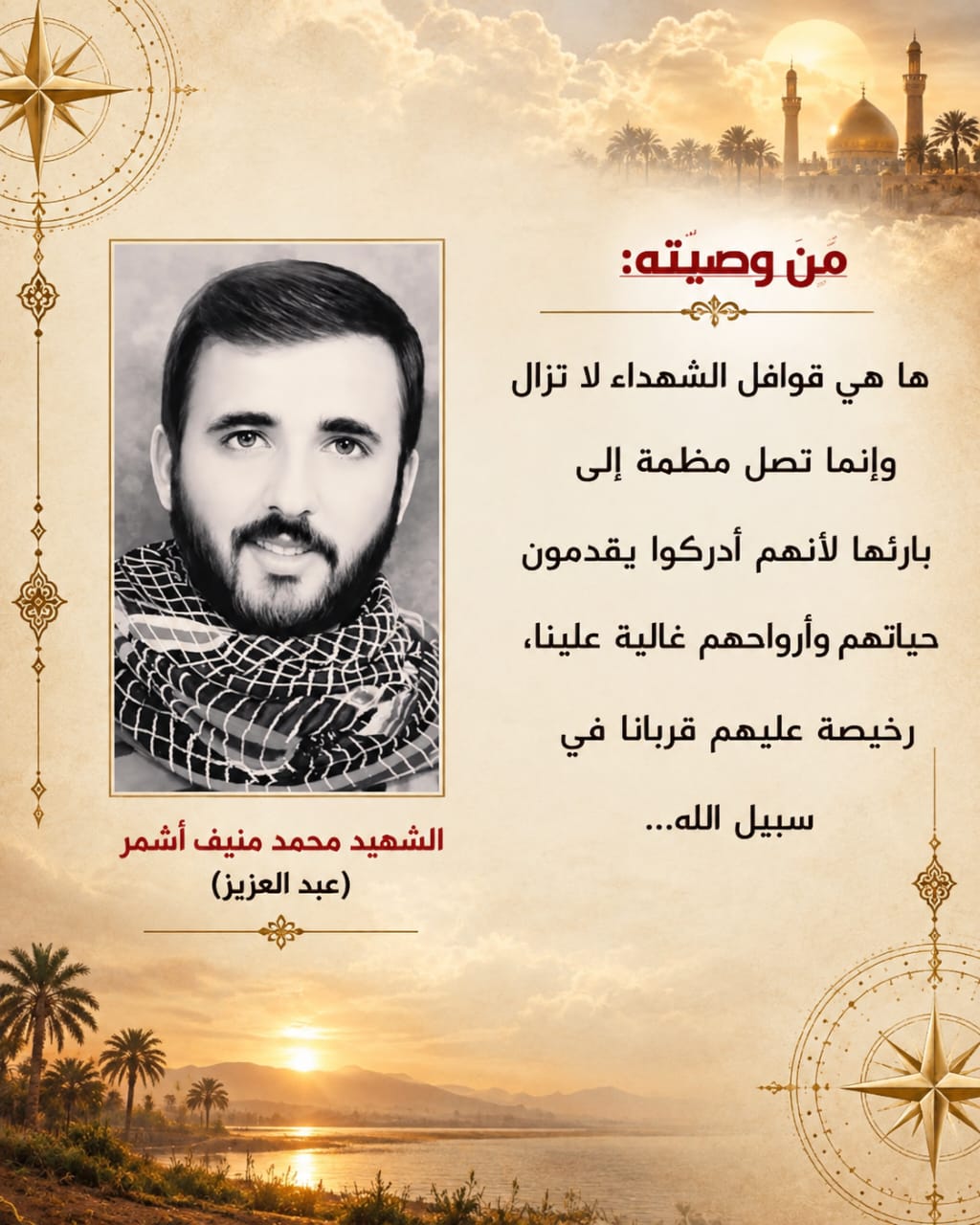
By combining an image of a martyr with an Ashura-related phrase, or with a visual scene associated with Karbala, a content creator opens a particular angle through which the audience is invited to see the story.
In this way, we return to the concept of framing discussed by Batoul Abdelsater.
Choosing a particular phrase and placing it beside a particular image, piece of music, or scene is not something separate from the story.
It is part of the story itself.
During our interview, media professional Fatima Al-Sayed describes the transformation in digital storytelling:“
From 2020 to 2026, there has been a greater shift toward short-form content. Platforms have become increasingly dominated by what we call Shorts or Reels. People no longer want to listen to long speeches, even when the messages are direct. Most people will continue watching a video for around 30 seconds, and if the content is very engaging, they may stay longer. Either people no longer have the attention span, or perhaps the platform itself has adopted this model so that not all content reaches everyone.”
The transformation, however, is not only about how the content is presented. It is also about who presents it.
With the emergence of Reels, storytelling is no longer limited to the religious pulpit or to well-known religious figures. It has found a place within the world of content creators, becoming another way of communicating a message in a language adapted to the platform.
Fatima adds:“We also started seeing new figures emerge, particularly on Instagram—people we had not seen before 2020 who became influencers, especially in the Arab world. So even when Ashura-related discourse is presented by influencers, it reaches people more easily, more quickly, and in a more engaging way. And here again, it comes down to the skills of each content creator. The subject has become increasingly connected to the creator’s skills, rather than the content alone.”
Given the enormous potential of digital platforms to reach audiences, brevity becomes another dimension of storytelling.
When a storyteller has a long story to tell but only thirty seconds or one minute in which to tell it, they are forced to select certain parts of the story and leave others out.
This raises another question: How do we decide what to leave out?
An interesting consequence of brevity is that viewers may become aware of a story they might never have encountered otherwise.
Yet a short post may reveal only one episode from an entire story—or only one characteristic of a person.
Here, context becomes crucial.
A powerful image may capture the viewer’s attention. Music may create an emotional response. A memorable sentence may remain in the viewer’s mind.
But in some cases, fully understanding the meaning requires returning to a more detailed story, a longer-form medium, or a more comprehensive religious discourse.
This seems to be what Sheikh Abbas Kourani expressed when he compared social media posts to sandwiches.
A short-form post reveals certain details or provides a general idea, inviting the viewer to engage further. But the need for detailed and substantial content remains.
Brevity, therefore, is neither inherently good nor bad.It is simply another component of storytelling.
Every time a content creator prepares a story for a short video, some information is inevitably left outside the frame. And what is left out can ultimately influence the image that remains in the viewer’s memory.
Full Documentary: The Lovers’ Compass
The end of the story brings us back to the short clip from which it began—a clip lasting only a few seconds on a mobile phone screen, yet carrying behind it years of storytelling, memories, sermons, images, and voices.
When a viewer today encounters an image of martyrs accompanied by Ashura-related expressions, or a story connected to Karbala, they do not simply see the image or hear the words.
They bring with them everything they have previously learned and encountered through stories, contexts, and symbols.
In this sense, we can understand that the movement of Karbala into modern media did not begin with Instagram.
Instagram became another medium carrying a memory that existed long before the platform itself.
Through every transformation the story has undergone—from the majlis to the Reel, from the long sermon to the brief clip lasting only a few seconds—the story has found a new channel through which to express itself.
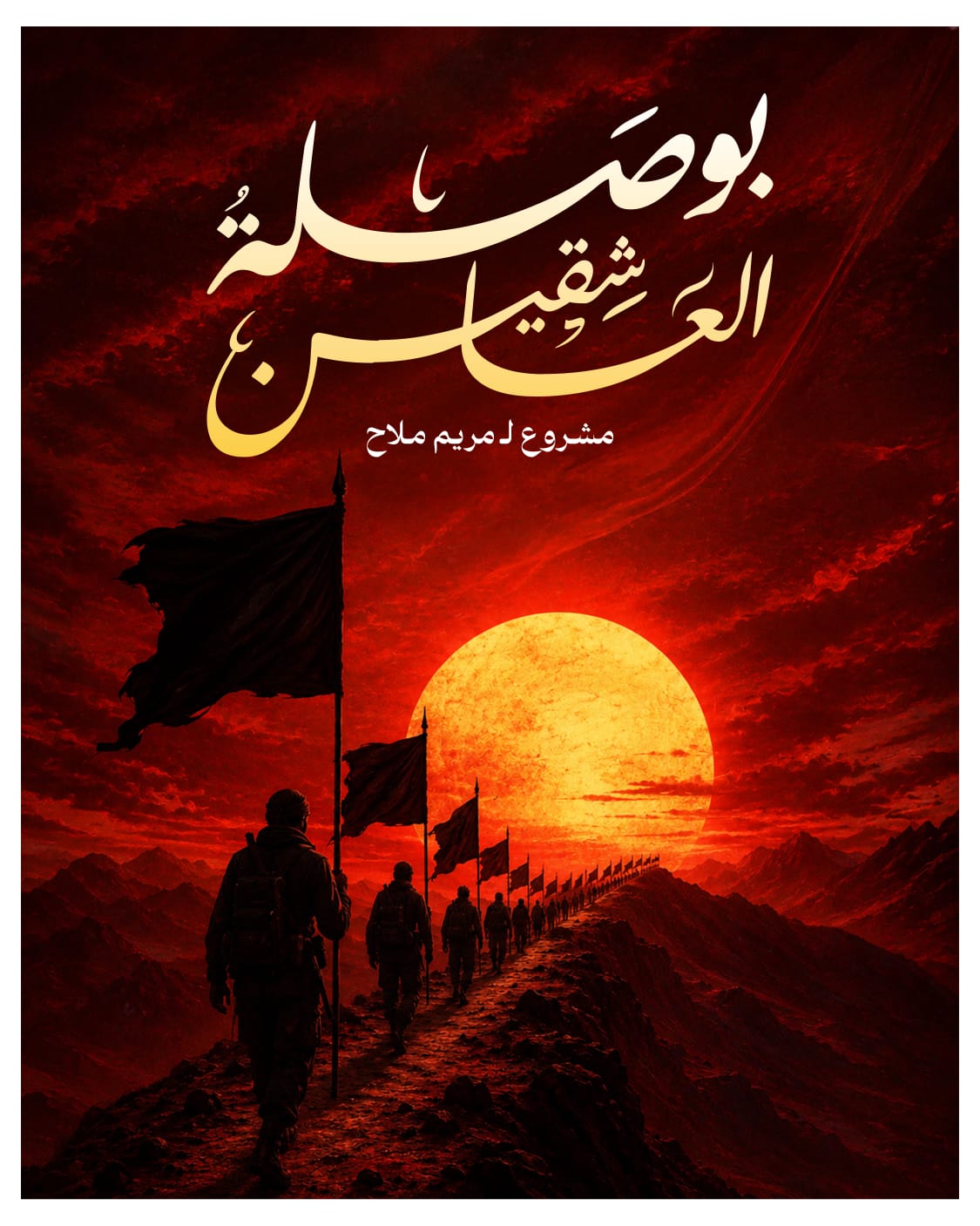
And this is why the project is called “The Lovers’ Compass.”
The compass is not a symbol suggesting that the past and the present are the same story, nor that every person living today is identical to a particular figure from Karbala.
Rather, for many people, Karbala remains a point of reference—a direction through which they understand their circumstances, their sacrifices, and even the words they choose to tell their own stories.
The compass does not tell us that the past has been repeated.It shows us where people turn when they search for meaning.