But the power of these tools does not appear only when they are used to tell an event. It becomes even more evident when, at the heart of the screen, there is a human being—with a name, a family, and a memory.
“When we were saying goodbye, he suddenly turned to my mother and told her, word for word, ‘No matter how kind you are to me, you could never be more compassionate toward me than Lady Fatima al-Zahra (peace be upon her).’”This is how the sister of martyr Mohammad Mustafa Faqih recalled a moment with her brother.
When we asked Lamita, Mohammad’s sister, to tell us about him and asked what story came to mind first, these were the words she remembered.
Because people often remember details more than general information.
The listener, too, is drawn to stories filled with details that touch something within them.
The martyr, therefore, is no longer merely a name, a piece of news, or an image on a screen.
A small detail from his life, a sentence he once said, a simple habit he had, or a moment that remained in the memory of those around him can reintroduce him as a human being before he is presented as a symbol.
This is where the importance of human-centered storytelling emerges in stories of martyrs.
The story does not always begin with the moment of martyrdom. Instead, it begins with the person himself: How did he live?
What did he love?
What did he say?
And what remained of him in the memory of his family?
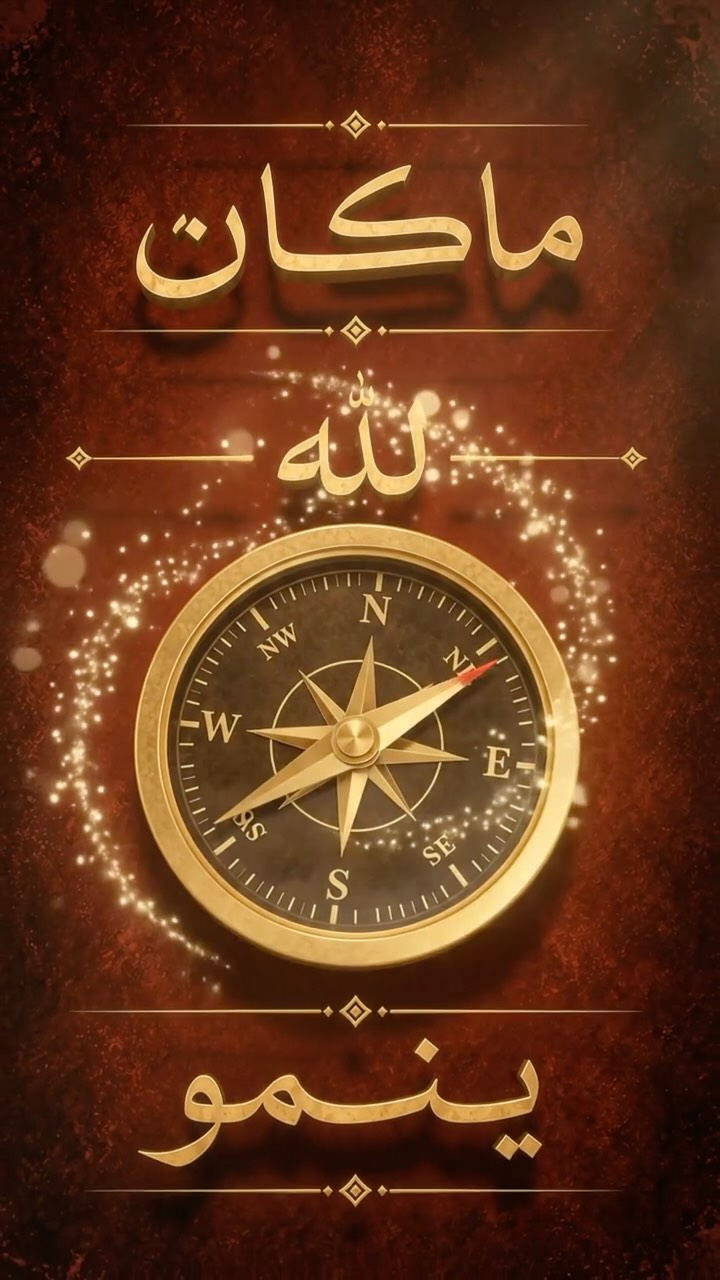
اسم السعيد: محمد عماد غدار(الحاج عيسى)
مكان وتاريخ الاستشهاد: حنية- أيار ٢٠٢٦
مكان الدفن: روضة جنّة الزهراء
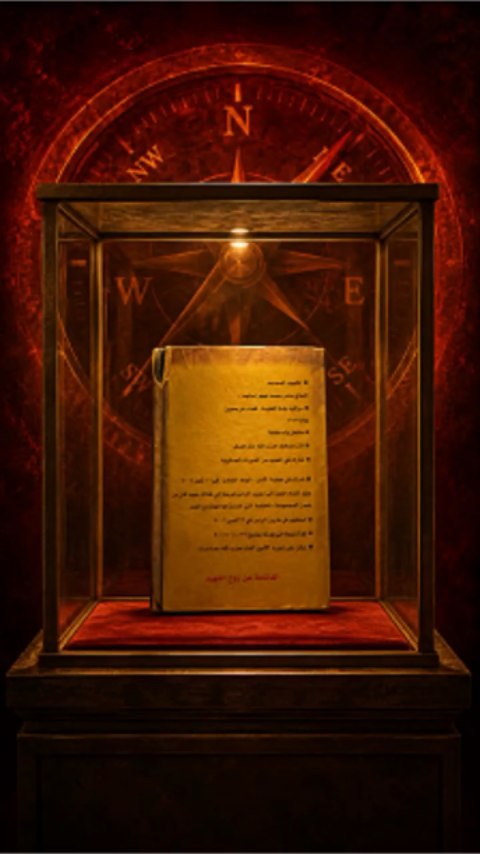
الاسم: السعيد الحاج سامر محمّد نجم
(ساجد)
مكان وتاريخ الاستشهاد: مارون الراس - ٢٢-٧-٢٠٠٦
مكان الدّفن: بلدته الطيبة

الاسم: السعيد محمّد مصطفى فقيه
(صادق)
مكان وتاريخ الاستشهاد: شقرا - ١٠ نيسان ٢٠٢٦
مكان الدّفن: روضة جنّة الزّهراء.
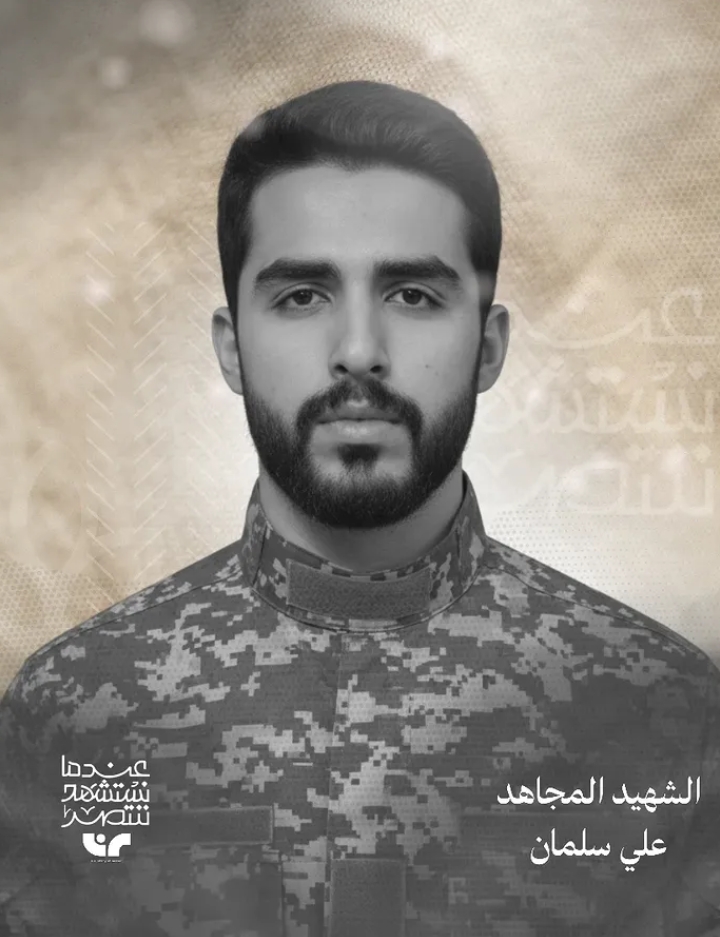
Media professional Arwa Al-Jammal speaks about martyr Ali Salman: “I tell the story to ten-year-old girls. I tell them about martyr Ali Salman: he was his mother’s only son. He would come home from university and help his mother clean the house. You see the girls looking at each other, thinking, ‘We want to be like him.’ The martyr becomes almost like a school lesson. His Eminence the Sayyed said that the martyrs are a school.”
Here again, the importance of human-centered storytelling becomes clear.
The story of a martyr does not necessarily begin with his death. It can begin with the person he was: the way he lived, what he loved, the things he said, and the small details that remained in the memories of those who knew him.
When a martyr’s story is told through his personal details, it becomes closer to the audience.
The viewer can begin to recognize him as a person with a life, memories, relationships, and ordinary human experiences—not simply as an image passing across a screen.
The connection can become so strong that the viewer may even see something of themselves in that person.
And this is what places the human being at the heart of the story—not the event alone.
When these memories eventually leave the home and are shared with a wider audience through media, they no longer remain merely family memories.
They become part of a broader social memory—one through which the audience comes to know the person and his story, gradually contributing to a sense of collective belonging.
At this point, Karbala-inspired symbols and language may enter as an additional framework through which the audience understands the martyr’s experience and finds ways to express it.
The story moves, then, from private memory to collective memory.
And somewhere between the two, the face of the person remains at the center.
Media professional Fatima Al-Sayed